
Cutmakers, 2026 U.S. Open
Those who experienced a mixed bag week at Shinnecock Hills.

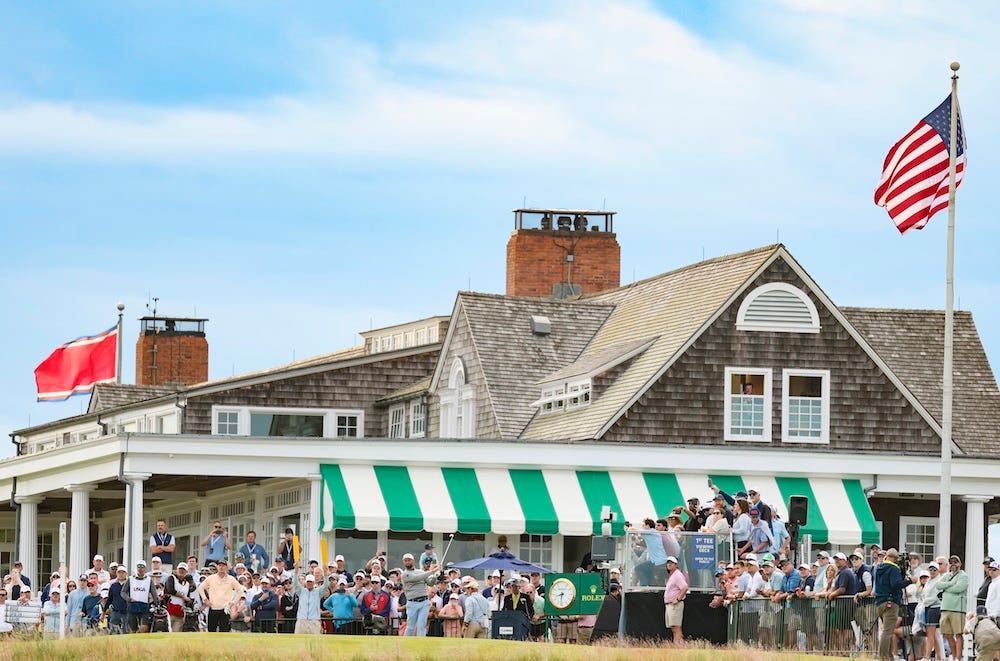
With Champions in the books, those who had mixed bag weeks at Shinnecock Hills…
LIV and the U.S. Open. In what increasingly looks like the last U.S. Open awarding spots to LIV-affiliated golfers, six of 13 made the cut. They were a combined +39. Seven others went home early, including Bryson DeChambeau, Jon Rahm, and Cameron Smith. The two exemptions graciously granted to the fading operation can now be returned. They’ll be better spent on Final Qualifying spots where the success rate was higher.
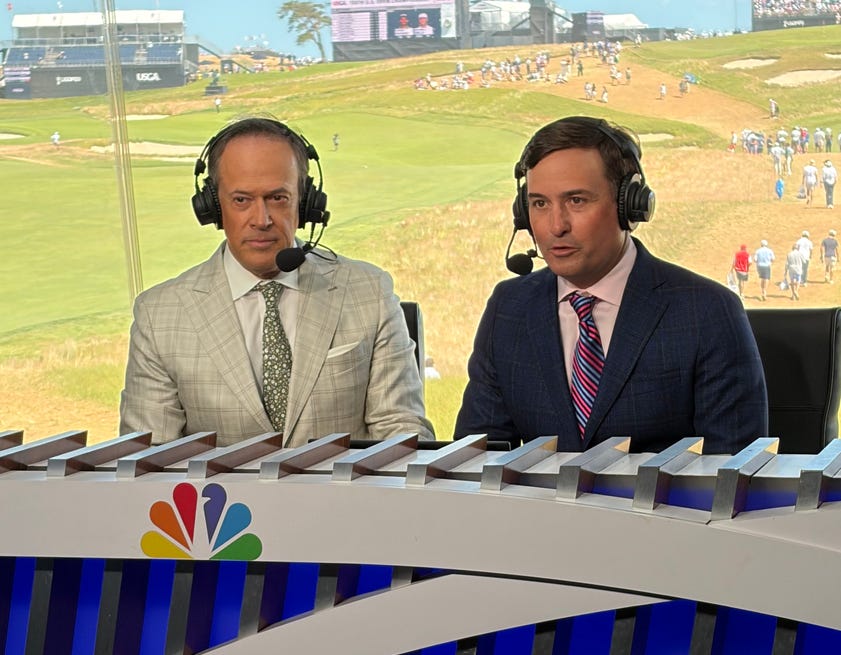
NBC. The overall production values were strong despite the ridiculously long days of a U.S. Open. Live drones gave viewers incredible perspectives of Shinnecock’s greens and surrounds. All of these fresh perspectives that were unavailable during previous Shinnecock Hills Opens and easily made up for a lack of blimp views. There remains on odd NBC obsession with zooming in on super slo-mo replays that tell us little about the shot outcome. But that’s minor compared to decisions surrounding when to deal with non-golf stuff and player storytelling. Several times over the weekend, NBC made genuinely gobsmackingly weird choices given the ample coverage windows during the weekend windows. Producers Tom Roy and Tom Randolph must navigate a lot, starting with Comcast synergy slop along with a silly number of promotional obligations and commercial breaks. (Minions nonsense and an interview with Carson Daly to plug his NBC show seemed especially unnecessary). When the TV listing says 126th United States Open, viewers expect to see golf. Attempts to better understand Wyndham Clark via chats with his new instructor and longtime mental coach would have been fine on a pre-game show. But when 80% of the field is on course? No one wants to watch awkward Zoom calls in their leisure time, much less when there is live golf taking place. As for NBC’s belief that they air more shots live than CBS, the network showed a majority of key shots on tape based on the official scoring and the broadcast feed. Most were harmlessly only “moments ago.” But if it means getting the necessary graphics, traces, and other elements aligned, this should not bother anyone but prediction market junkies. NBC lead analyst Kevin Kisner opened the network to criticism of this practice. On a post-Masters drunken podcast appearance, he slammed the rival network for showing too many shots on tape and losing Rory McIlroy’s approach into the 18th (just as NBC did with a Scheffler tee shot Sunday on No. 8). Kisner is on the cusp of earning his doctorate in stating the obvious. Even with the opportunity to prep for a shot on tape, he says nothing of interest. Overall, most of NBC/USA/Peacock’s announcers have grown accustomed to over-celebrating the ingenious talents of whichever player is on screen, only to be jinxed by a poor shot immediately after the fluffing. Maybe this is why they struggled to effectively characterize the unprecedented situation involving fan treatment of Clark.

Late finishes. Championship golf benefits from “prime time” finishes by showing the sport to larger audiences. But in an era when so many golf fans are playing the game and ticket prices have hit new highs, it’s increasingly common to see empty grandstands and a vacated property late in the day. Golf fans are morning people and people have lives. The rounds are way too long and not particularly easy for fans to justify hanging around until sunset. In 2026 alone, we’ve seen properties clear out at Augusta National, Aronimink, Riviera, and Shinnecock Hills even when big names are wrapping up play. The look is terrible. Since the perks for television to finish late are well-established, organizations need to ponder cheap, after-4 pm tickets and other perks for fans who stick around. “It was kind of unfortunate that we’re finishing in the dark and people weren’t really out there because there were some obviously key, big moments, and it did get a little flat,” Clark said of Saturday’s finish in front of a few hundred people. “I still felt the moment. It’s just maybe unfortunate that there weren’t all the people there.” That was a kind assessment. It was embarrassing for a U.S. Open. As was the round taking over four-and-a-half hours…in twosomes.

Shinnecock Hills as a modern championship venue. The architecture remains supreme and the course still “tests” the world’s best in our juiced equipment era. But an excessive amount of energy is required to inject the U.S. Open edge while maintaining the dreaded “fairness.” The USGA setup team and Shinnecock Hills crew did a miraculous job of keeping the course tough and still reasonable to play. But even with putting surfaces kept slower (and therefore bumpier), a majority of the greens see little dispersion in hole placements. The only solution would be to rebuild the greens and deaden slopes to create more cup options. (That should never be a solution for one week of golf every decade or so.) As impressive as the setup was in preventing any questions about equity, it’s hard to imagine how they’ll manage things in 2036 with even greater strides in equipment and agronomic practices. Thankfully, they have time.
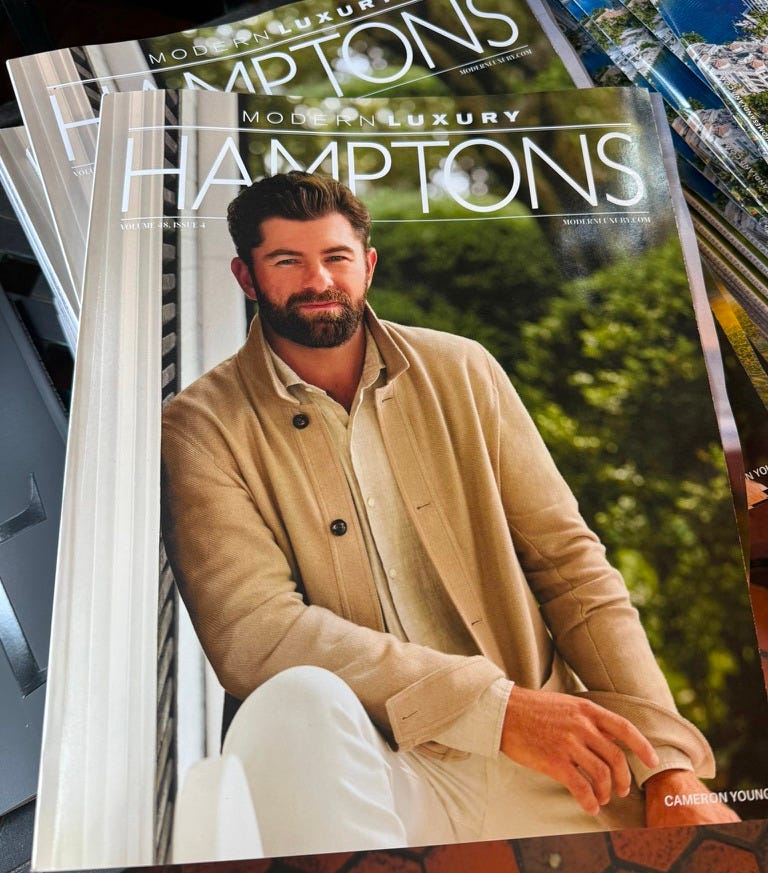
Cameron Young. One of the pre-tournament favorites and New York native cancelled a scheduled Tuesday press conference to hit balls (or maybe to avoid another creepy Golf Digest question about his mass attendance plans). The Players Champion eventually took a painful 126 putts for four days and needed a final nine 33 to finish T43. But at least that Hamptons spread seen at local news racks provided hope for city kids dreaming of the ultimate rise in upward mobility.
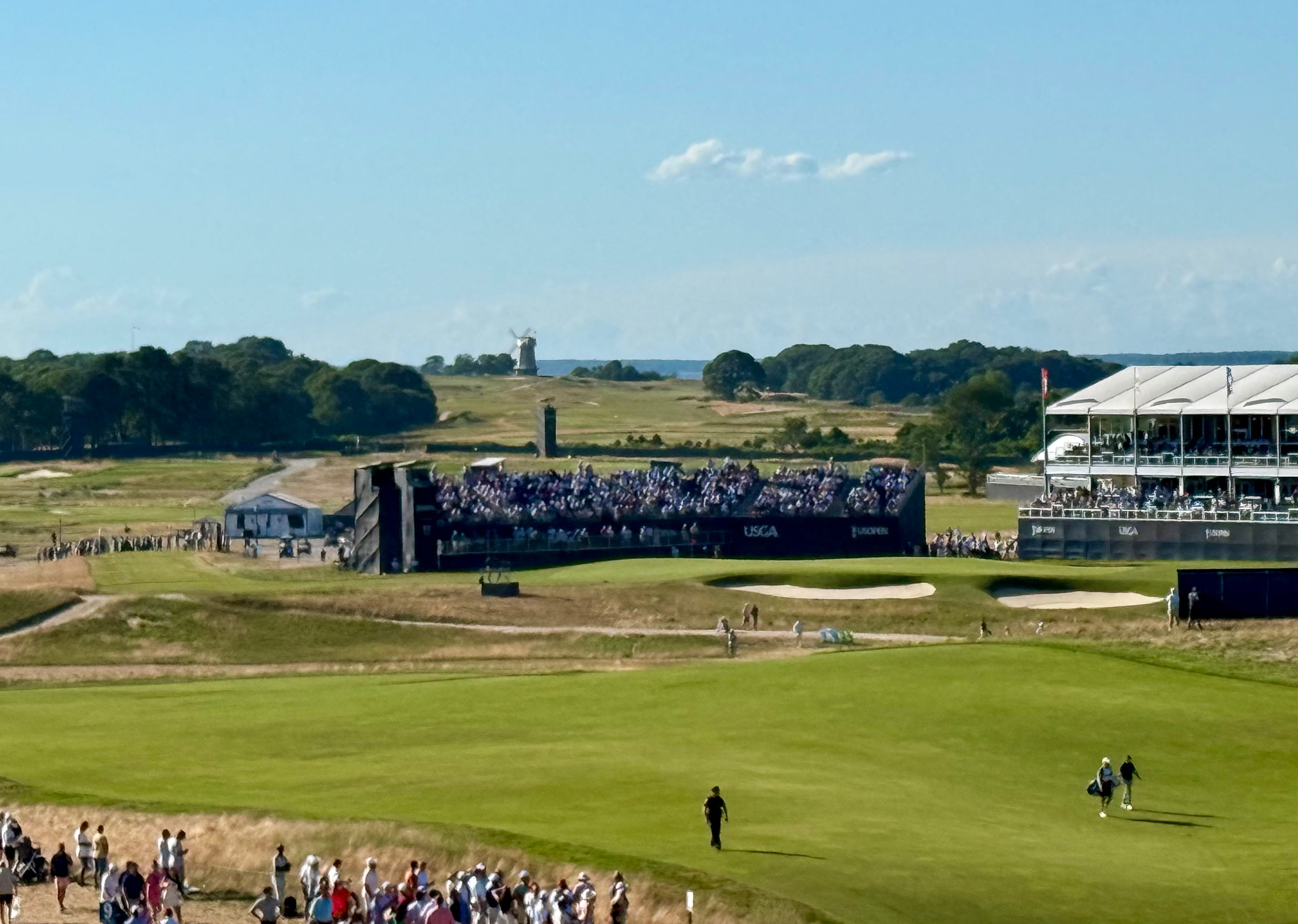
Treeless course narrative.