
Will This Be The Year?
An ace has not been made at the 155-yard par-3 12th since 1988. A look back at the three men who have pulled off a feat and why 1's are so elusive at Amen Corner.

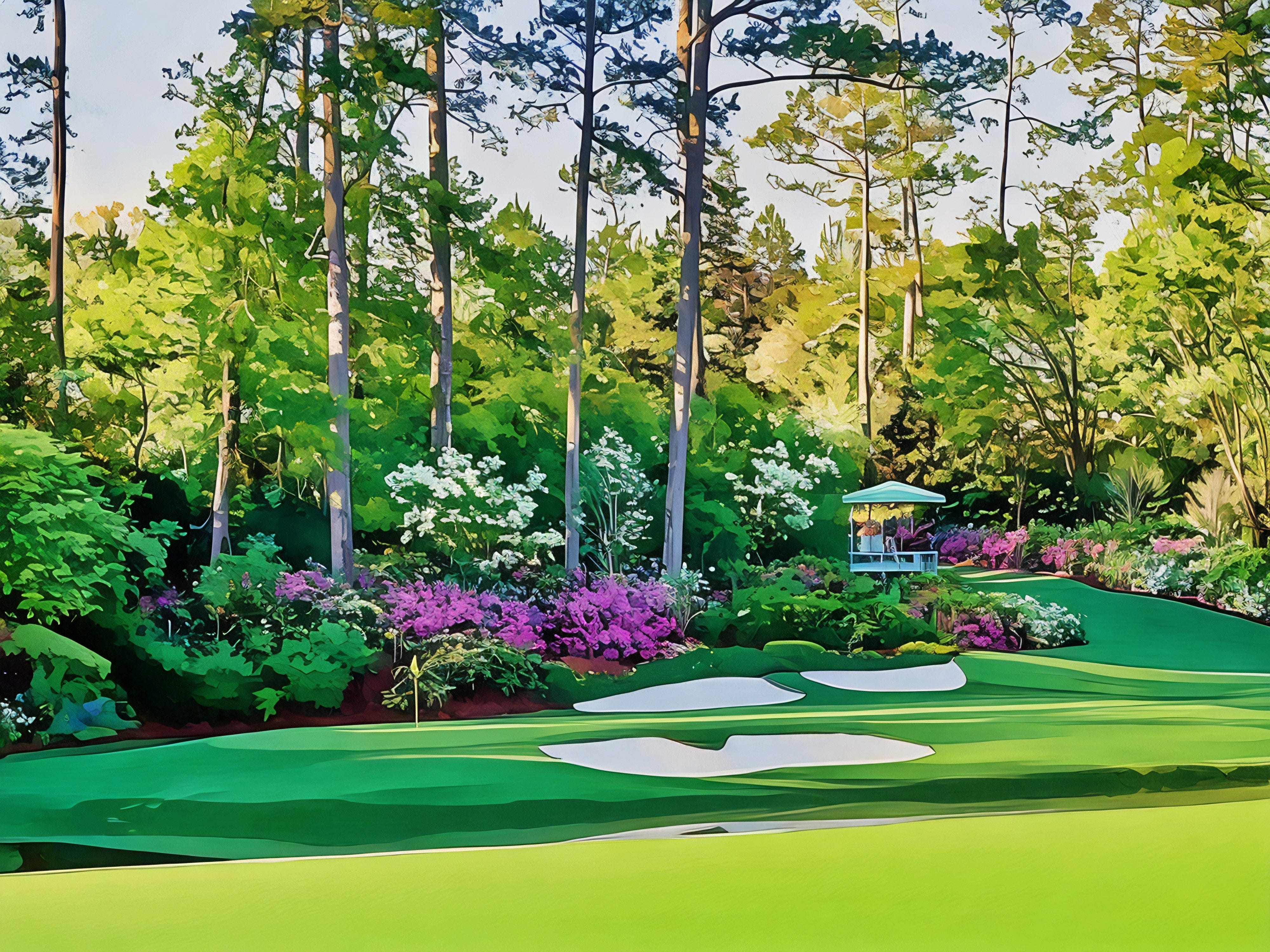
The odds of making a hole-in-one hover around 12,000-to-1.
The odds improve to 3,000 to 1-or-so for elite golfers.
So how is it that when the 2026 Masters starts April 9th, it will have been 13,880 days and almost 9,000 tee shots since a competitor aced the 155-yard 12th at Augusta National?
Players are hitting shorter clubs than ever toward the same wide, flattish green that’s been in play since the 1950s. Yet it’s been 38 years since Curtis Strange’s 7-iron landed just over the front bunker, about seven feet short of the hole, then took a high bounce before rolling in the right side of the cup.
Even as its yardage has generally remained the same since the days of Bobby Jones and Alister MacKenzie, there have been just three aces at No. 12 in 90 Masters tournaments. When Strange signed for a one, the magical shot was just the 11th ace in tournament history. There have been 23 aces since Strange’s shot, including the first at No. 4 by Jeff Sluman four years later. But none at the 12th.
For some recent context, three holes-in-one were made at the recent Texas Children’s Hospital Houston Open, on three different holes in three days.
What gives?
The primary reason is simple.
“You don’t ever aim it at the hole at 12, so that’s why there haven’t been a whole lot of aces there,” says Strange’s longtime ESPN colleague Andy North. “So Curtis obviously pushed or pulled the shot to make it.”
Strange does not refute his fellow two-time U.S. Open champion’s point regarding his hole-in-one.
“I have always admitted that I aimed properly, and I pushed [it], and she went right in, pal, okay?”
We also know that swirling Amen Corner winds make tee shots difficult to gauge. The green is small and probably looks even smaller with the Masters on the line. It sits at an angle that no amount of storytelling, practice, and testing can convince some players to aim at the middle of the green regardless of hole location.
During last year’s Masters, 160 of 296 tee shots (54%) hit and held the 12th green. For context, the 17th at TPC Sawgrass had a 77% GIR rate during this year’s Players, while the 16th at TPC Scottsdale saw 71% of tee shots hit the green.
Another factor preventing aces: Augusta National’s 12th green is remarkably flat on a course where even the more modest complexes have something going on. The 12th lacks a feeder cup location similar to those found on the back left of Augusta National’s 16th. And then there’s the mystique.
“There’s something about the topography, the trees, the wind, the beauty that just captures your imagination,” said Masters Chairman Fred Ridley when asked about lengthening the shortest hole at Augusta National. “Players are hitting short irons, but it doesn’t seem to matter. The hole is very difficult.”
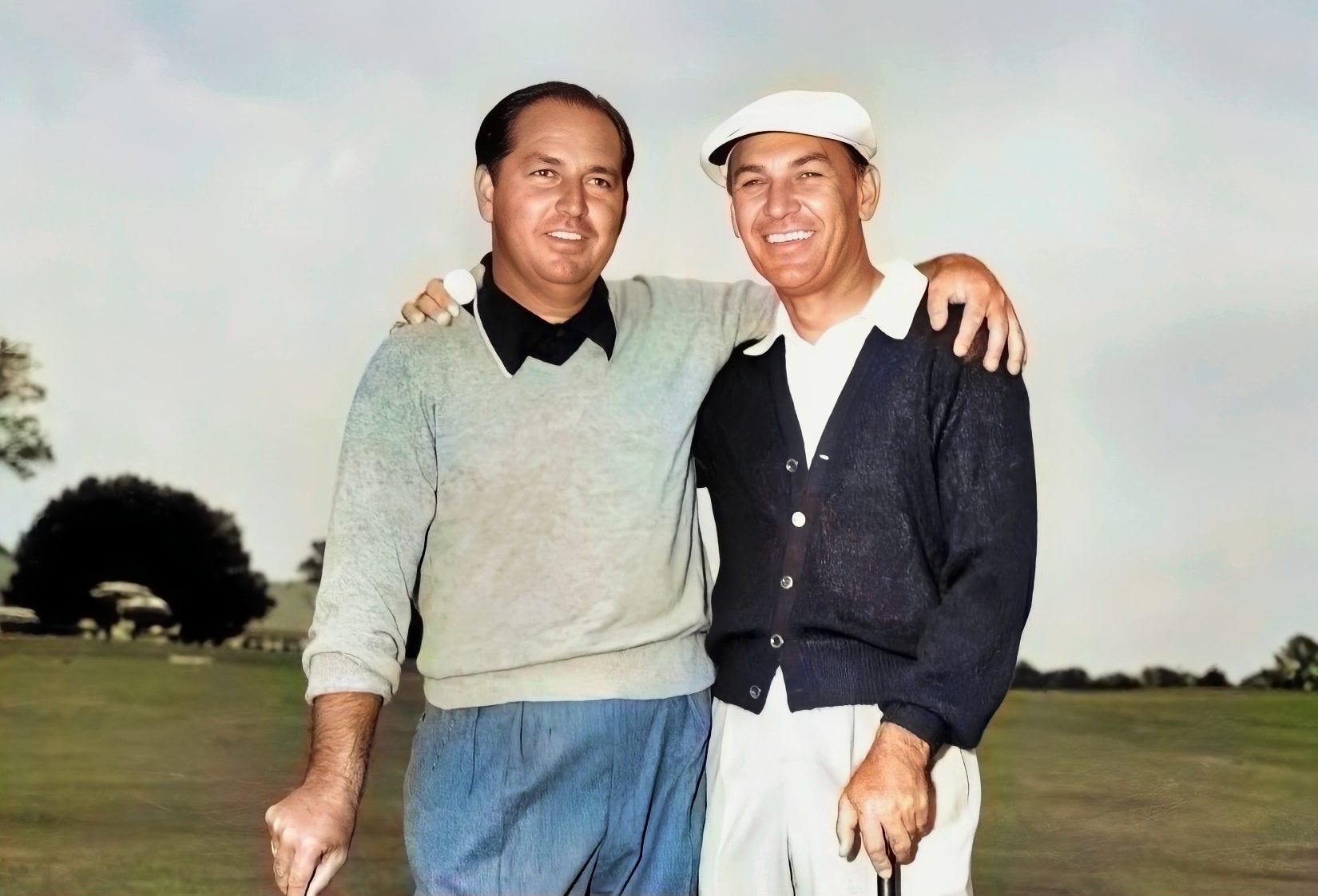
Claude Harmon was the first to ace the 12th in 1947. Paired with his good friend Ben Hogan, the two practiced together at Seminole during the winter, played practice rounds at majors, and Hogan remained close with the Harmon family over the years.
When they arrived at the 12th tee during the second round, it was before the tee was split into two. The green also sat lower than it does today, featured more contouring, and did not extend as far right as the modern version.
